








Atzompa
Archeological site
Atzompa
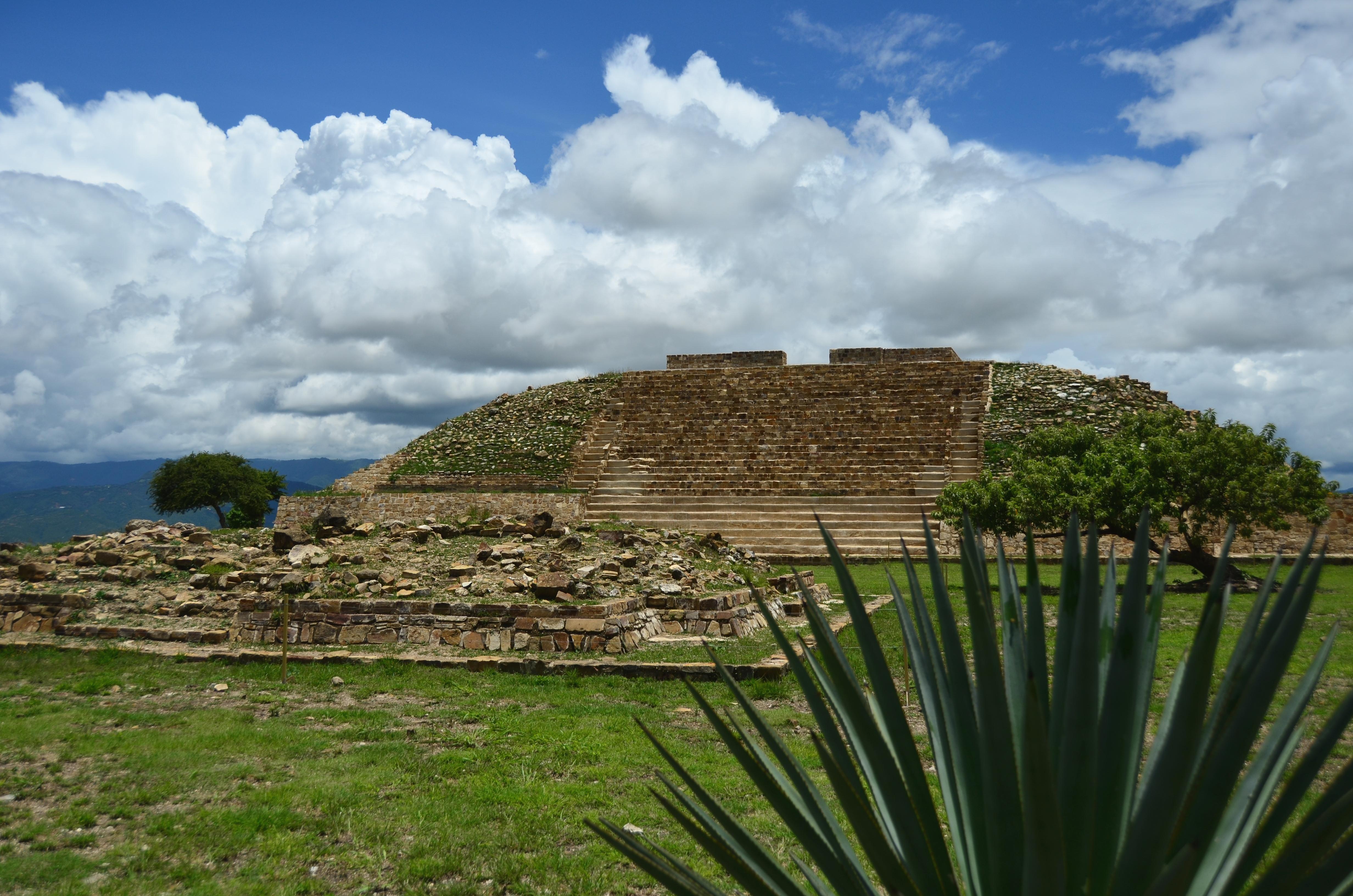
The Atzompa Archaeological Site is an important Zapotec center closely linked to Monte Albán. Its monumental architecture, plazas, palaces, ball courts, tombs, and artistic expressions allow us to reconstruct various aspects of the social, political, economic, and religious organization of its inhabitants. The presence of three ball courts and palace complexes demonstrates the settlement’s social and ceremonial importance, while the tombs and murals provide insight into its beliefs and funerary practices.
It is one of the most important archaeological sites in Oaxaca and stands as a remarkable testament to the development of the Zapotec civilization in the Central Valleys. It is located in the municipality of Santa María Atzompa, on El Bonete Hill, approximately four kilometers from Monte Albán. Its geographic location and architectural relationship with Monte Albán suggest that Atzompa was part of a broad urban, political, and ceremonial system developed by the Zapotecs.
The settlement reached its peak of importance between approximately 650 and 850 A.D., during the late phases of Monte Albán. During this period, numerous monumental buildings, plazas, palaces, ceremonial spaces, and ball courts were constructed and modified. The scale of these structures attests to the existence of a hierarchically organized society, with authorities capable of coordinating large numbers of workers and resources.
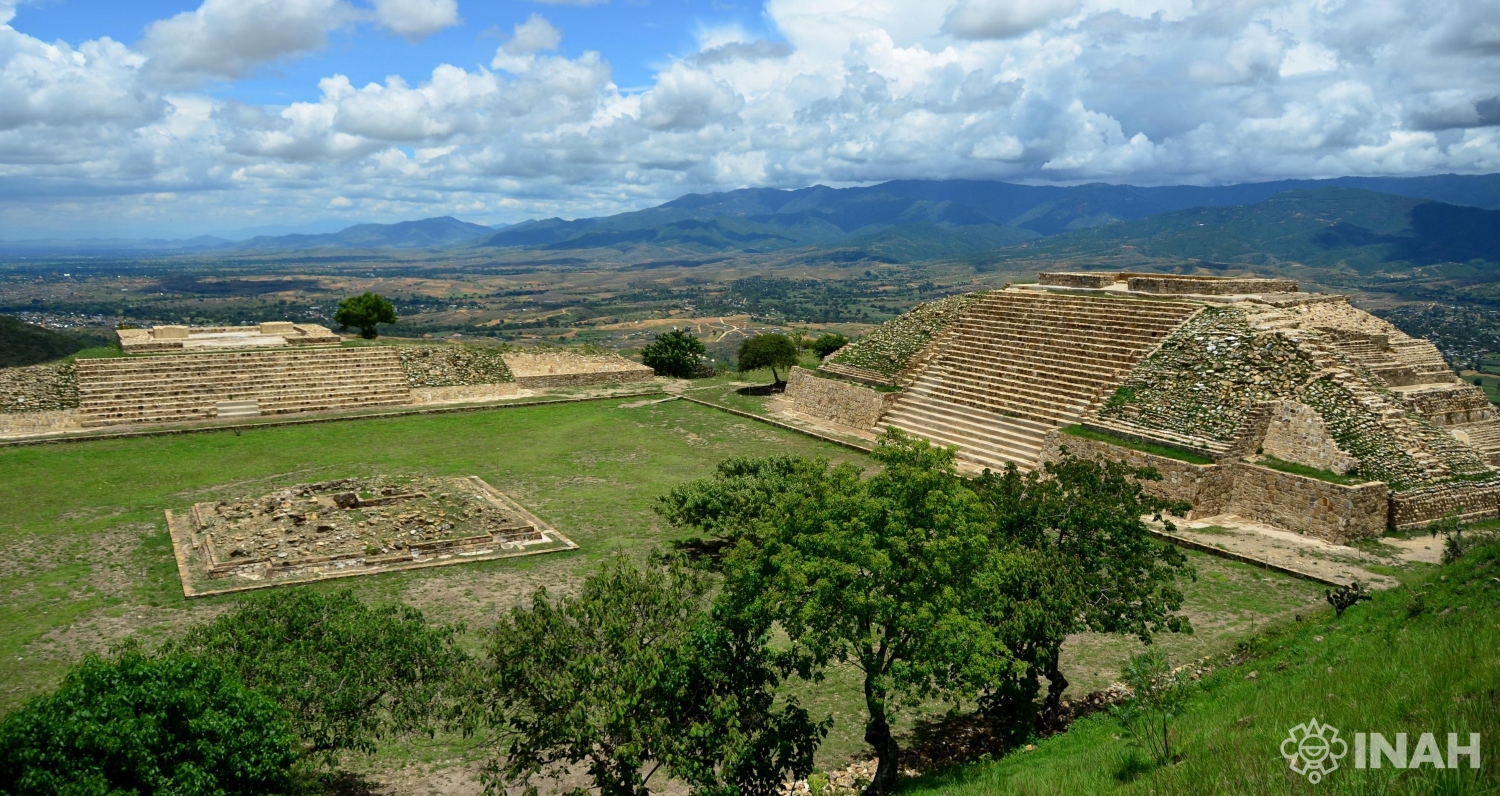
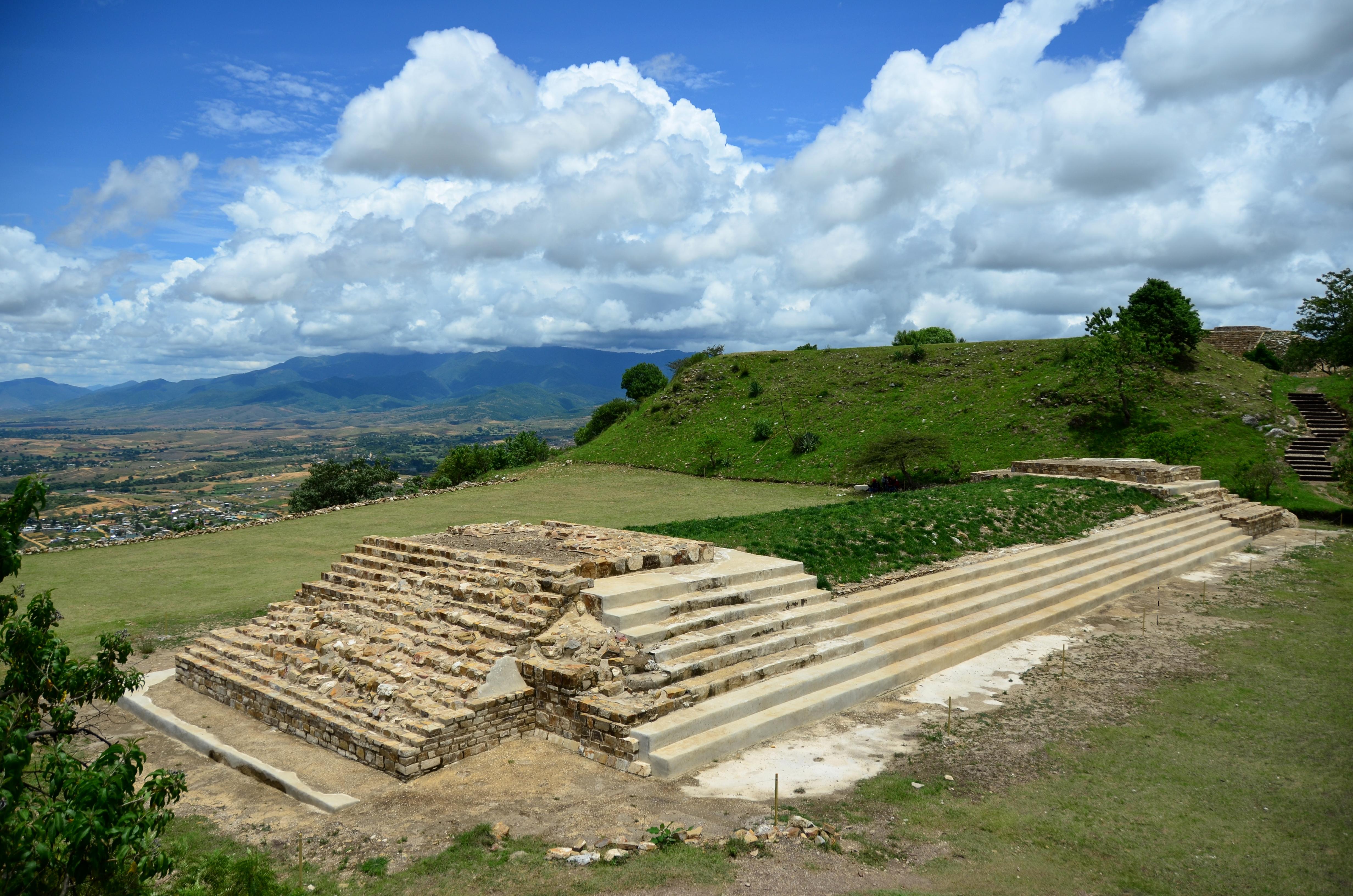
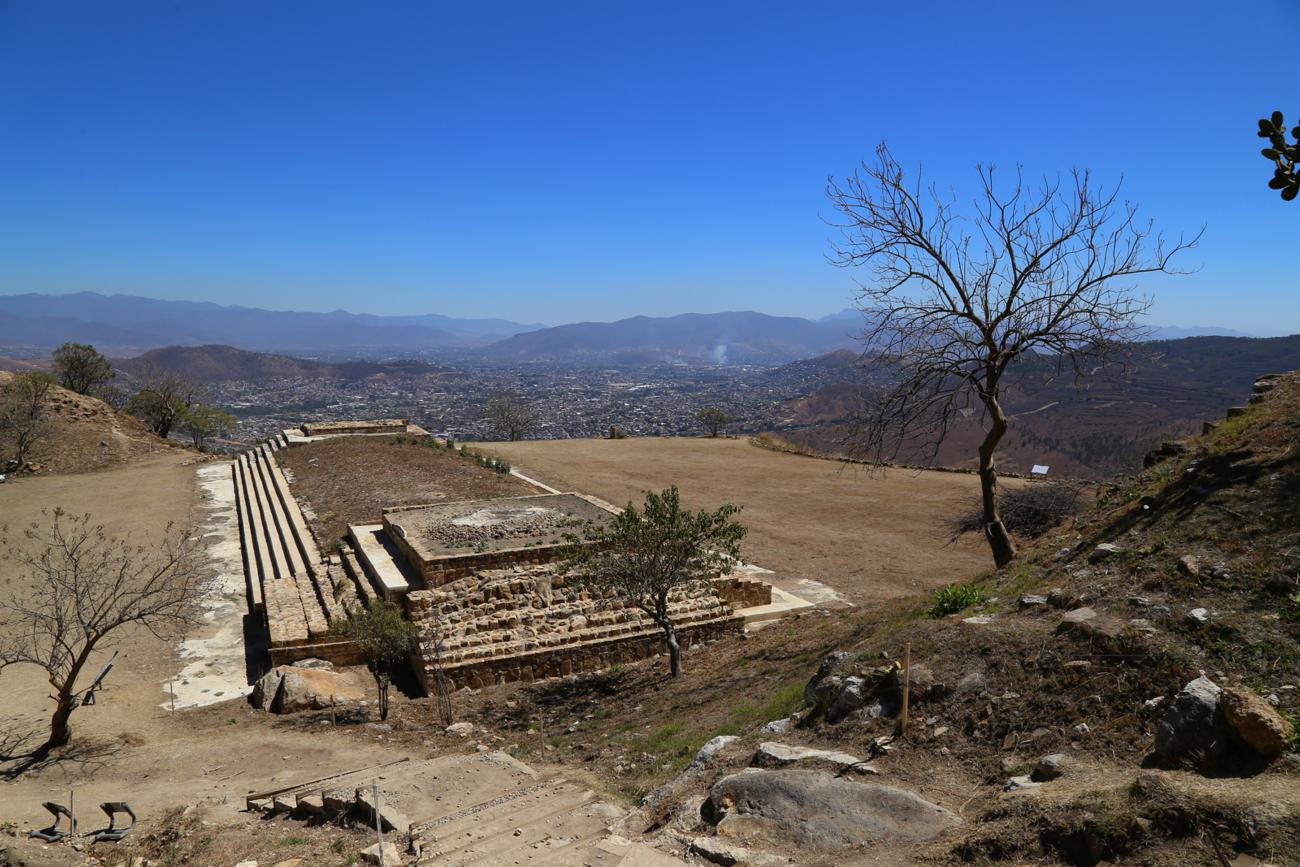
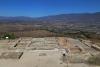
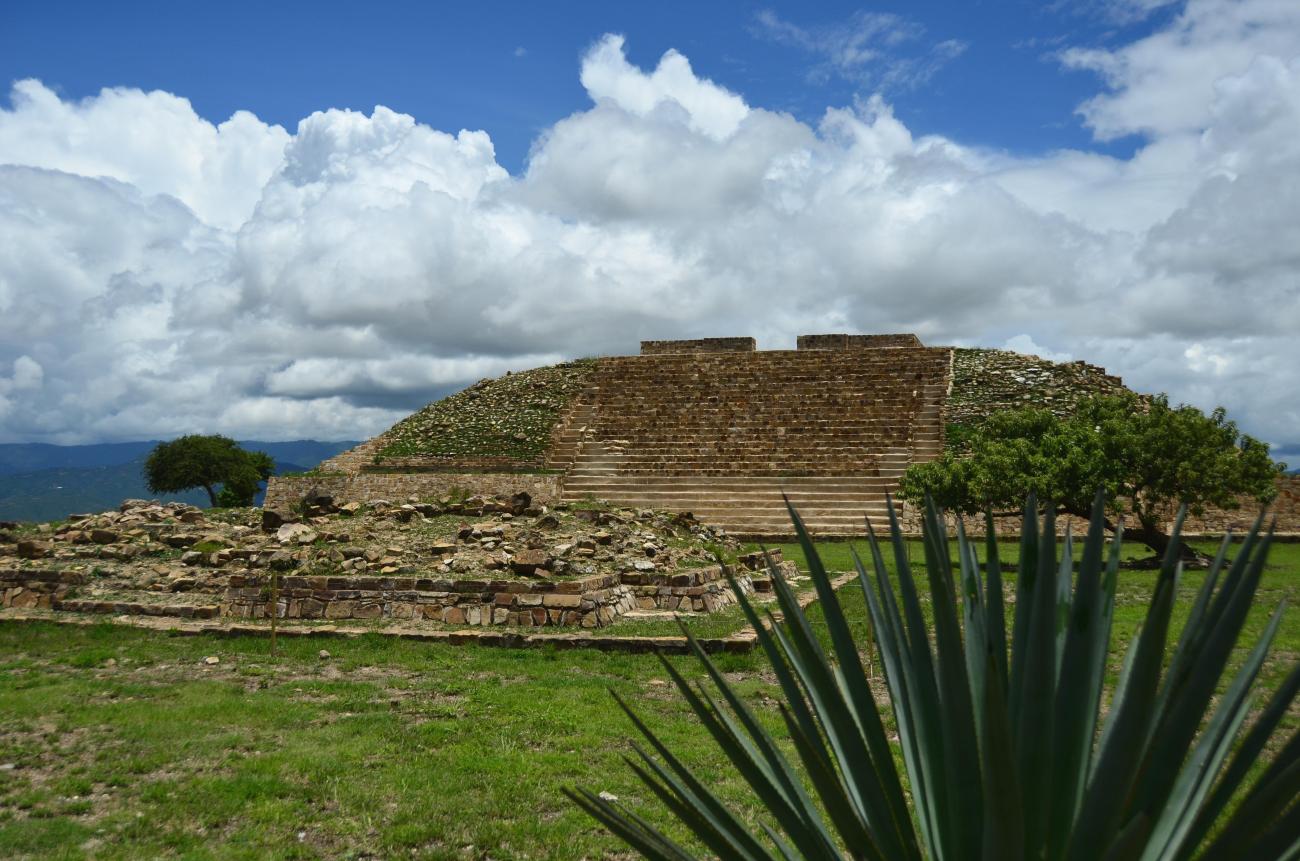
One of Atzompa’s main features is its monumental architecture. Because the settlement was built on El Bonete Hill, its inhabitants had to modify the terrain using terraces and platforms to create the various urban spaces. This adaptation of the topography made it possible to create plazas and buildings that, in addition to serving practical functions, had an important political and ceremonial dimension. The elevated location also provided a sweeping view of the landscape, particularly toward the Etla Valley.
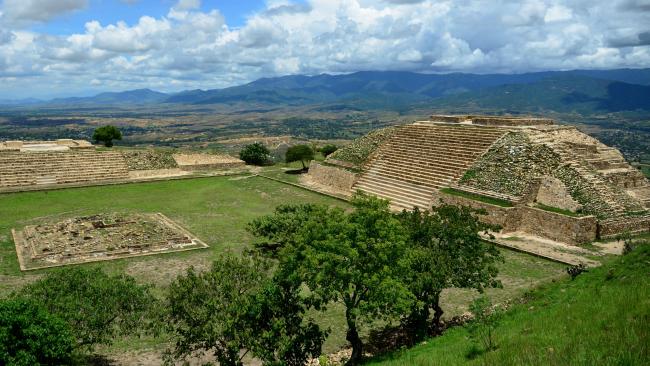
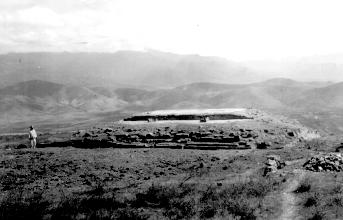
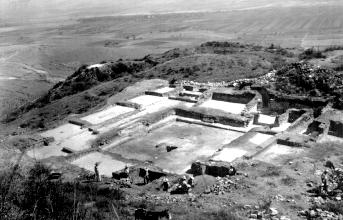
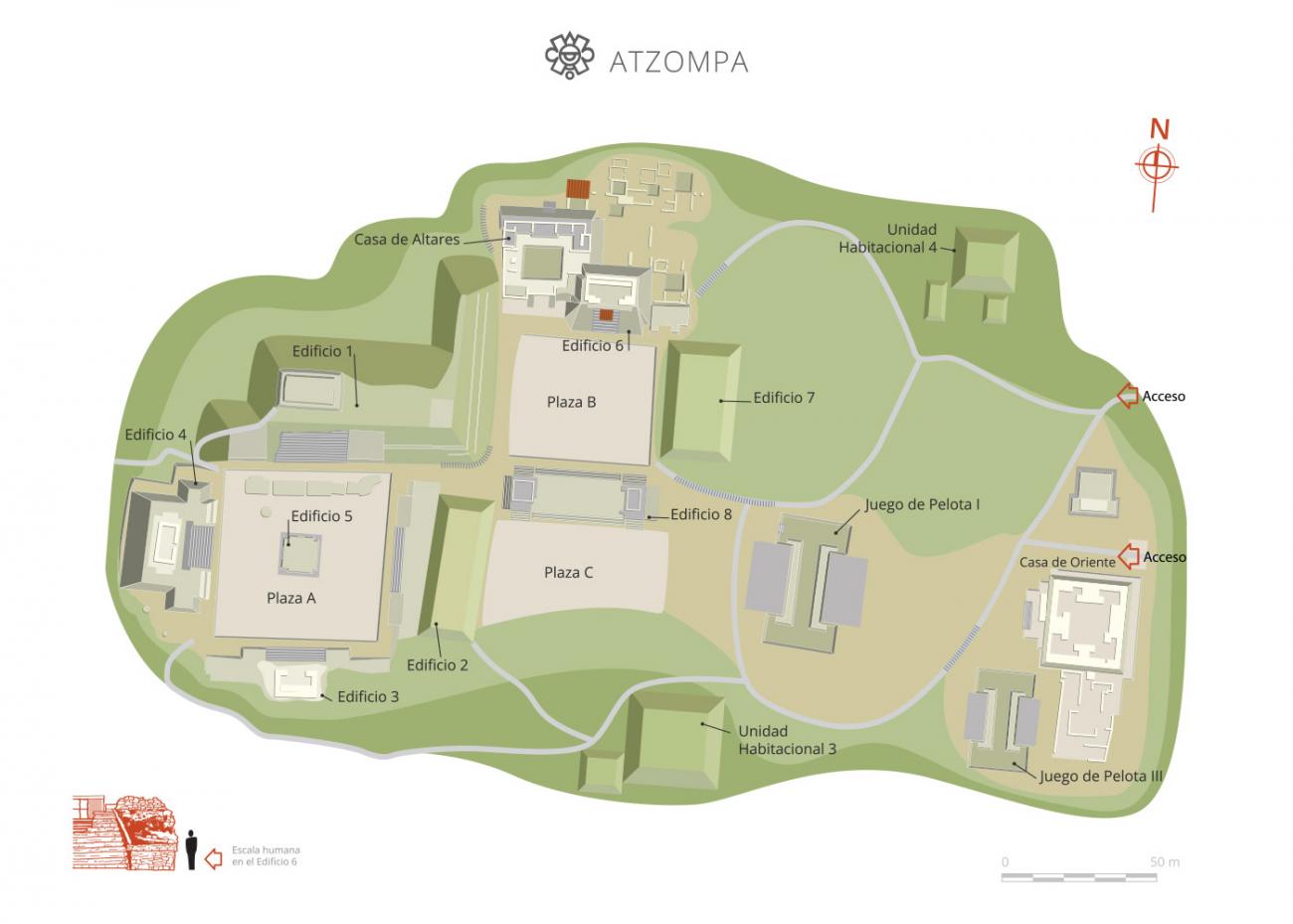
Among the most important spaces is Plaza A, located at the top of the settlement. This plaza was constructed by artificially leveling the ground and is surrounded by various buildings. In its center stands a small shrine, demonstrating the importance of ritual activities within the organization of the space. The arrangement of the buildings around the plaza reflects complex urban planning and a conception of space linked to religious and political practices.
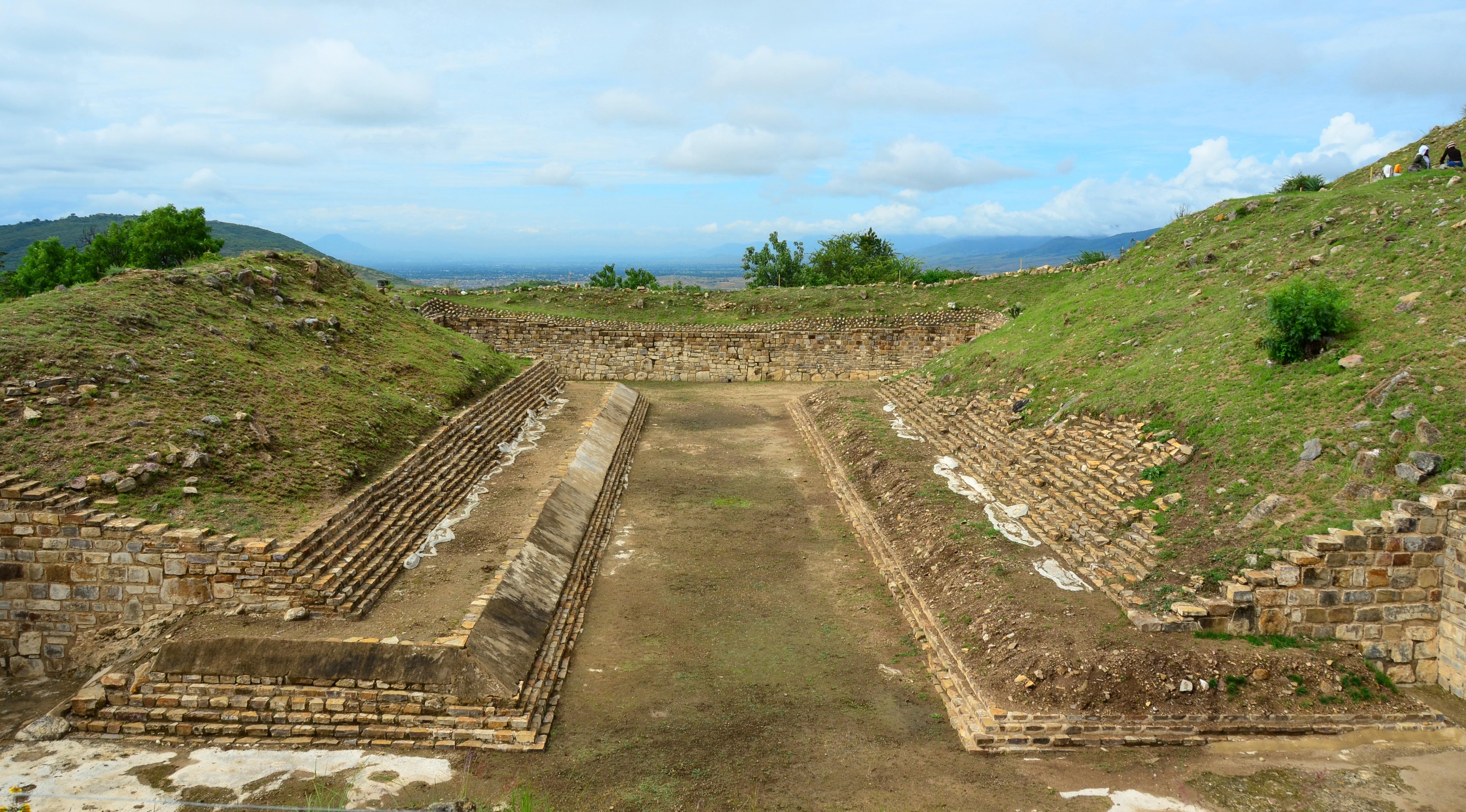
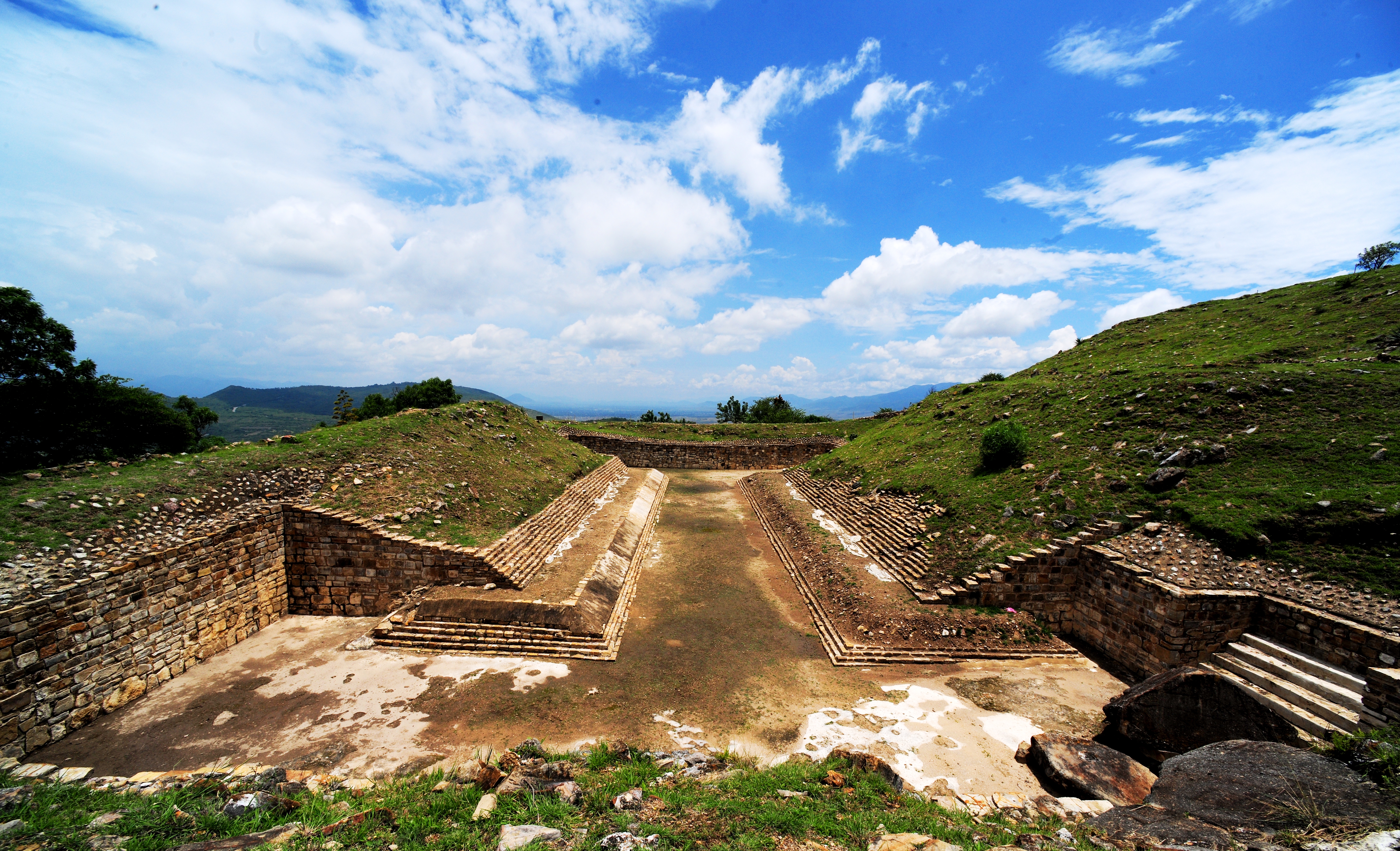
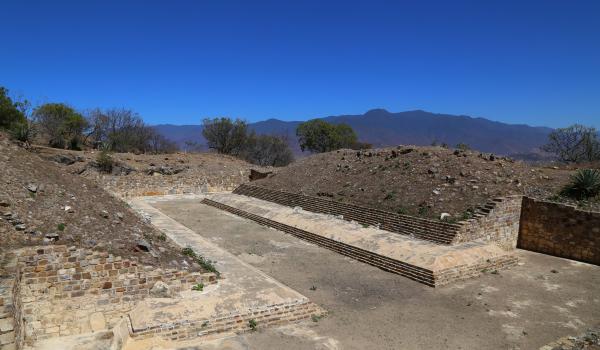
Another notable feature of Atzompa is the presence of three ball courts. The largest is approximately 45 meters long and 22 meters wide. The existence of several courts within the same settlement is a significant characteristic, as it demonstrates the importance of this activity in Zapotec society. In Mesoamerica, the ballgame was not merely a recreational activity: it could also be linked to religious ceremonies, symbolic representations, power relations, and political events.
The varying dimensions and locations of the ball courts at Atzompa suggest that not all of them necessarily served the same function. Some may have been associated with public and ceremonial activities, while others were linked to residential areas of higher status. In this way, the courts provide insight into both religious practices and the social organization of the settlement.
Atzompa also features important palace complexes, notably the Casa de Oriente and the Casa de los Altares. These complexes consist of numerous rooms arranged around courtyards. Their architectural characteristics indicate that they were associated with high-status social groups. The presence of large residences within an archaeological settlement allows for the study of social differences and the concentration of power among certain segments of the population.
The Casa de los Altares also features elements related to Cocijo, one of the principal deities of the Zapotec tradition, associated with rain and water. The presence of religious representations within these architectural spaces demonstrates the close relationship between religion, daily life, and power. For the Zapotecs, natural forces were of fundamental importance, especially those related to rain and agriculture.
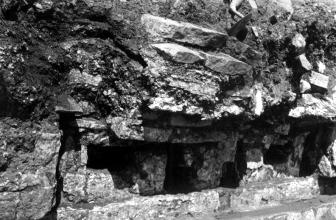
Another site of great significance is the Funerary Building, where several burial chambers were discovered. One of them still preserves traces of mural painting. The tombs and their architectural features provide insight into the funerary practices and religious beliefs of the ancient inhabitants. The construction of elaborate funerary spaces may also reflect differences in status among the individuals buried there.
The mural paintings found in this context are particularly important because they preserve geometric elements and colors such as red. This type of artistic expression constitutes a fundamental source for researching the Zapotecs’ religious beliefs and conceptions regarding death, the supernatural world, and the fate of individuals after life.
The quarries also played an important role. The availability of stone on the hill provided materials for the construction of buildings, platforms, and walls. The extraction and processing of the stone required technical expertise and organized labor. The use of resources available in the surrounding environment demonstrates the inhabitants’ ability to adapt the city’s construction to the natural characteristics of the territory.
The relationship between Atzompa and Monte Albán is one of the key aspects for interpreting the site. Atzompa developed during a period when Monte Albán remained an important political and cultural center of the Central Valleys. Its proximity and architectural features indicate a close relationship between the two settlements. Atzompa can be understood as part of the urban complex associated with Monte Albán and as a space where residential, ceremonial, and possibly administrative activities linked to high-ranking sectors took place.
This relationship also sheds light on the territorial and urban expansion of Monte Albán. The construction of a monumental complex atop El Bonete Hill required a significant investment of labor and resources. As such, Atzompa serves as evidence of the Zapotec society’s ability to transform the landscape and create urban spaces tailored to its political and religious needs.
Archaeological research at Atzompa intensified beginning in 2007, when systematic excavation, restoration, conservation, and material analysis began. This research provided a better understanding of the site’s layout and yielded information about its structures and inhabitants. Subsequently, the archaeological site was opened to the public in 2012, allowing Atzompa to be incorporated into the network of sites showcasing Oaxaca’s archaeological heritage.
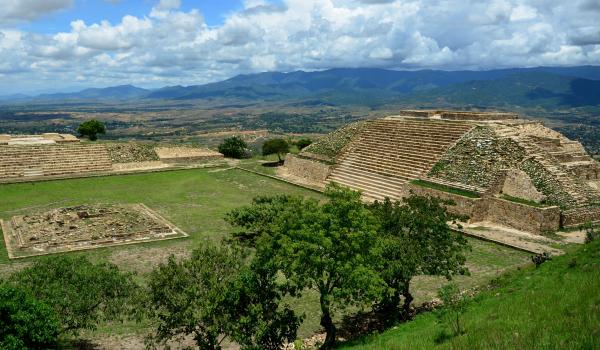
Plaza A
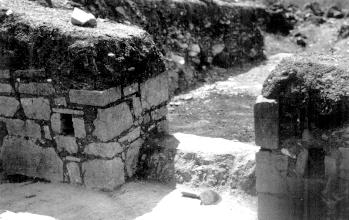
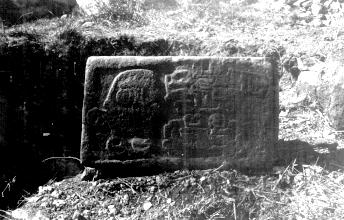
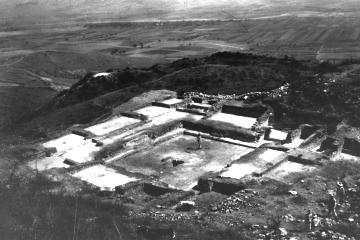
It is located in the highest part of Atzompa. Its central patio has a square floor plan (it measures more than 50 m per side) and is artificially leveled. The buildings that delimit it (1, 2, 3 and 4) are oriented towards the four cardinal points. In the central part is the shrine, a ritual-…
Plaza A
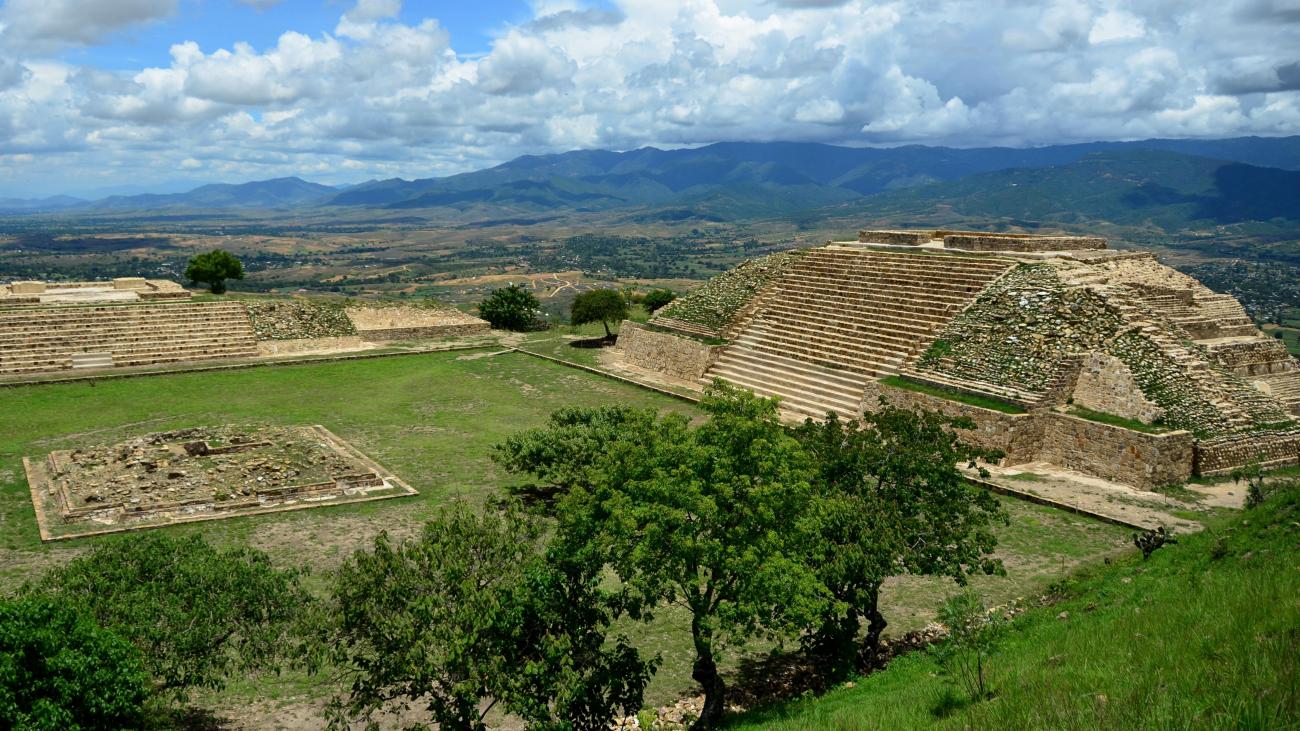
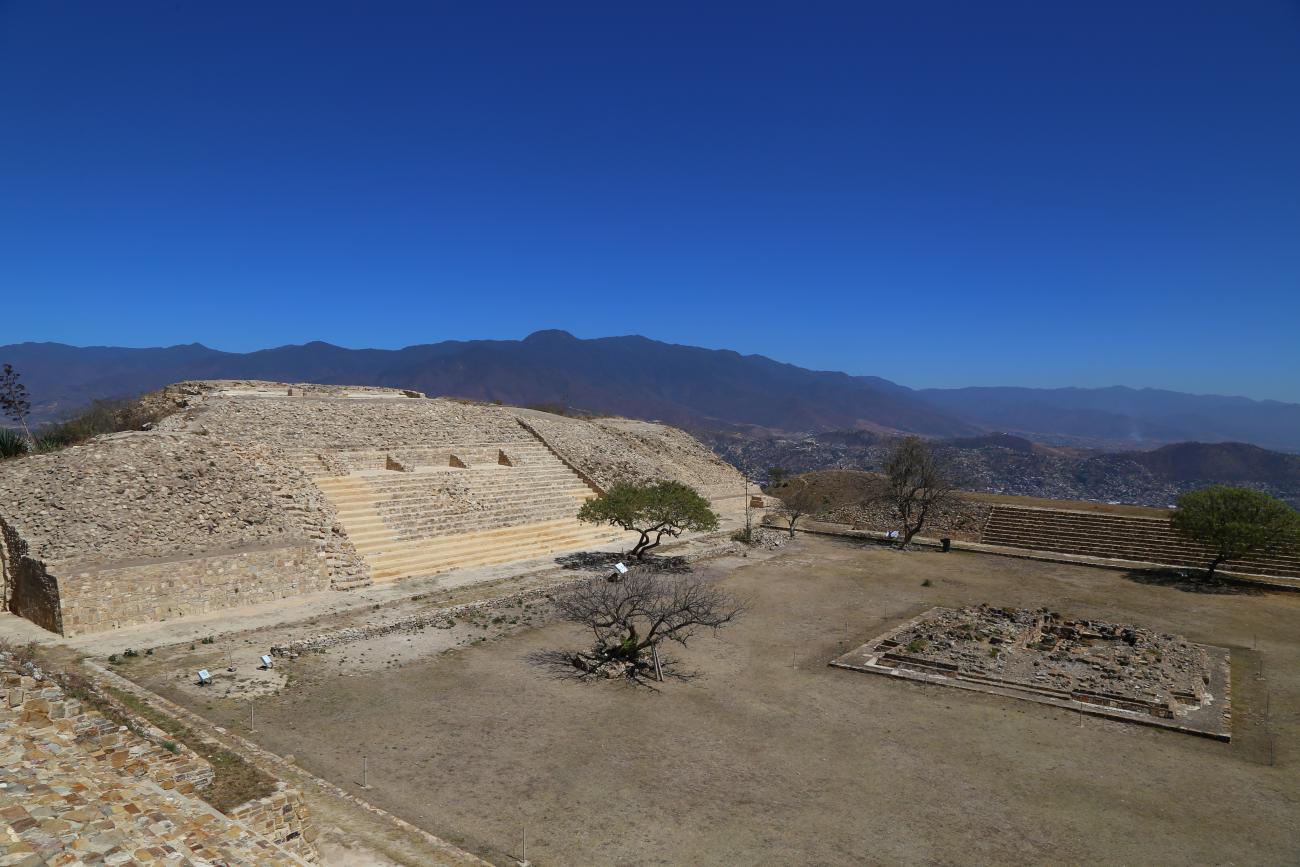
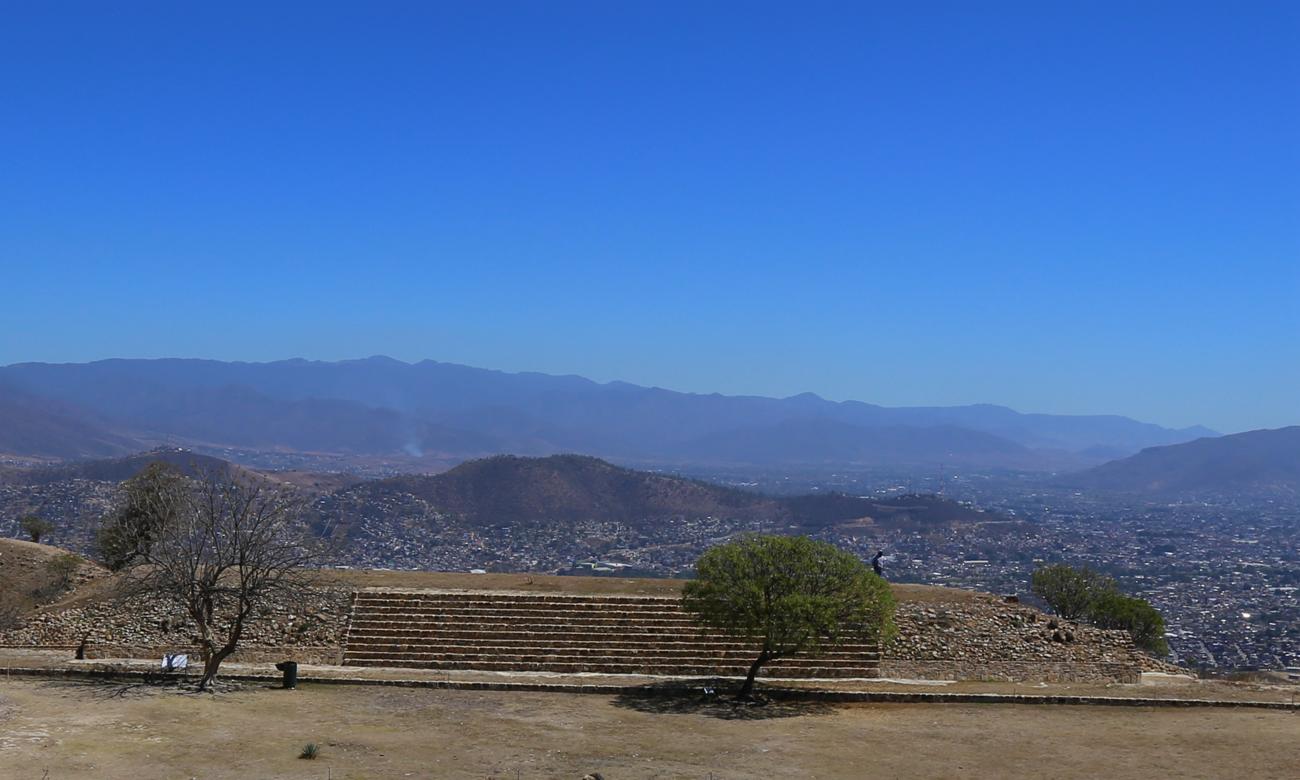
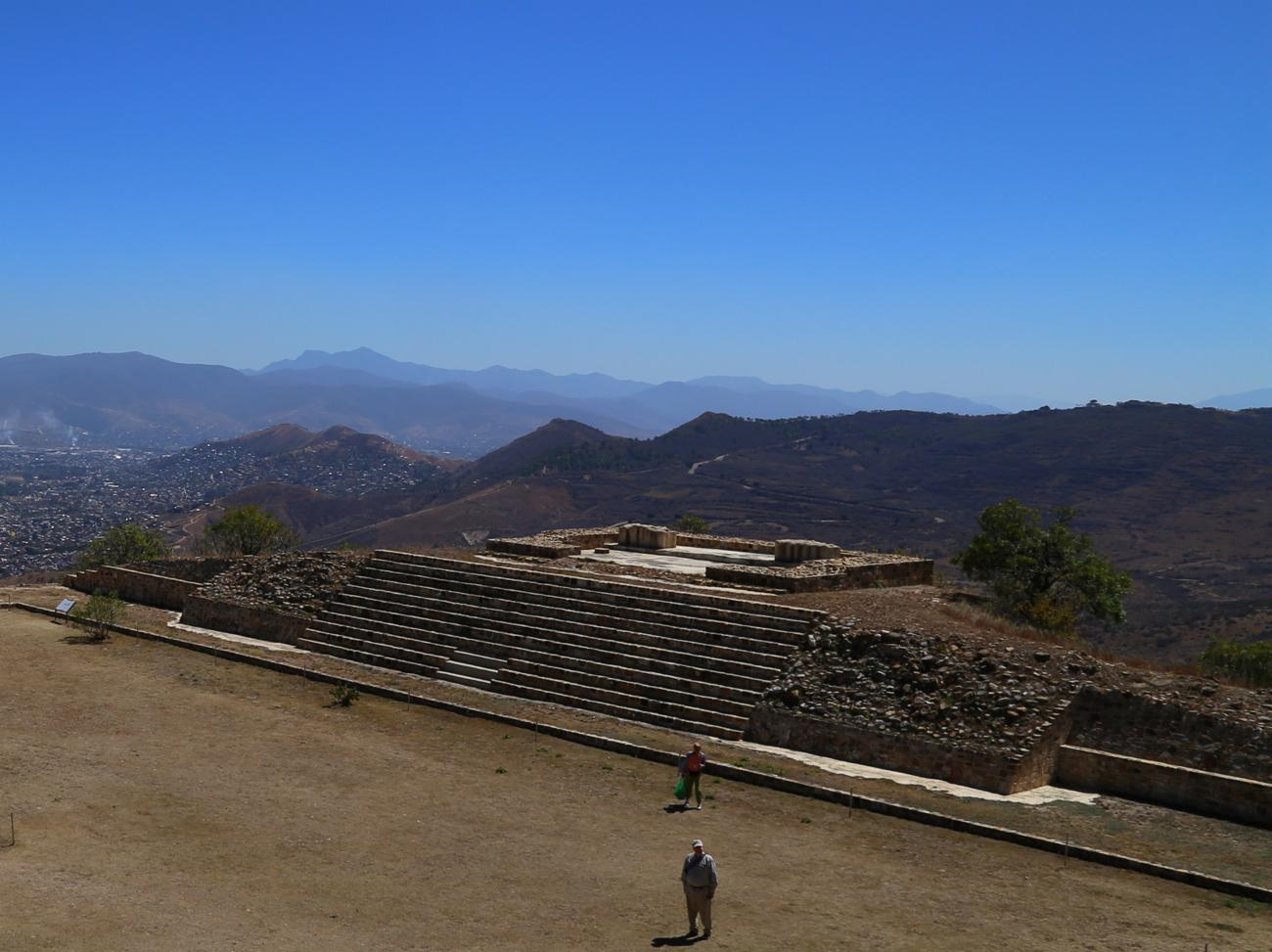
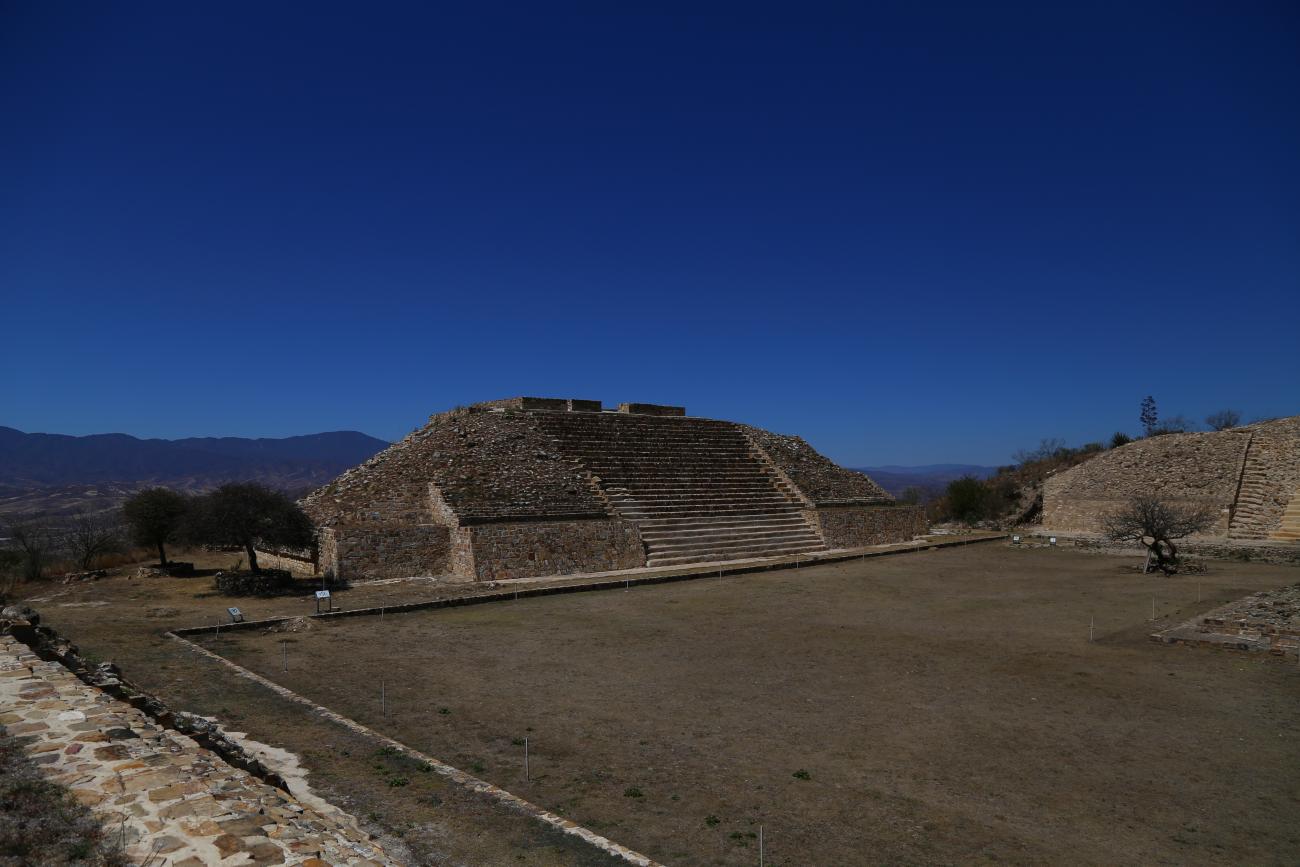
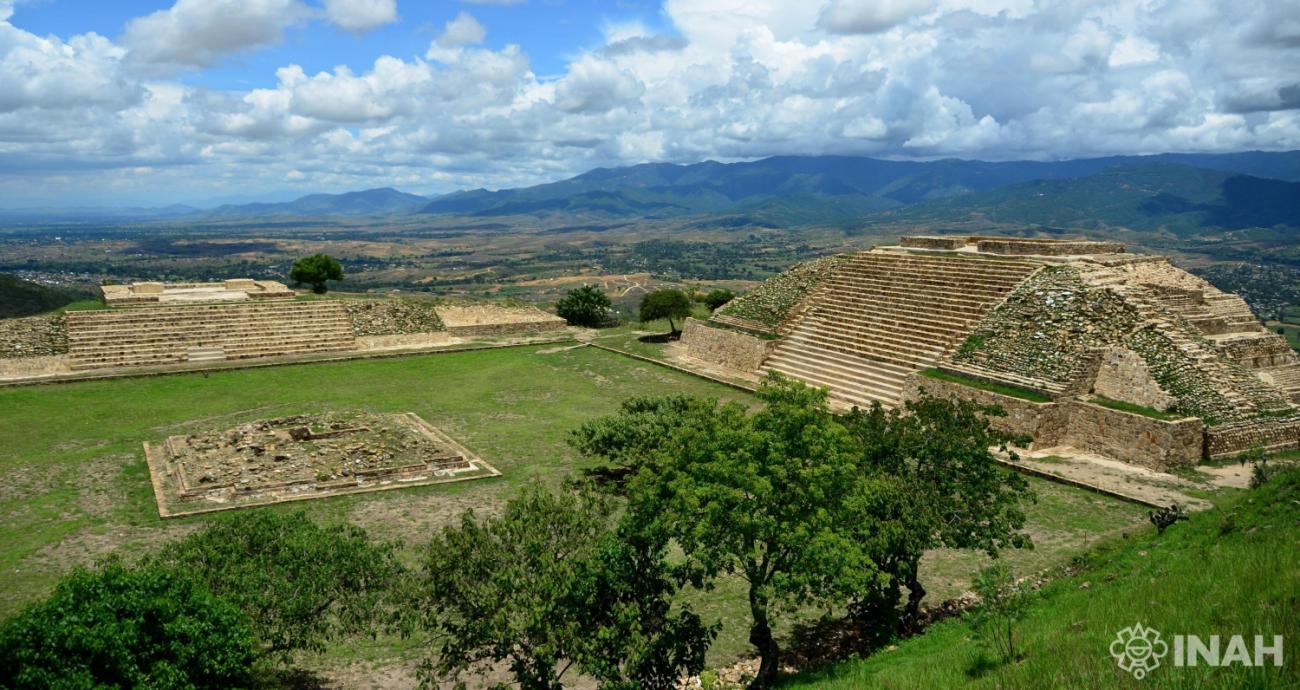
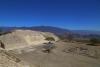
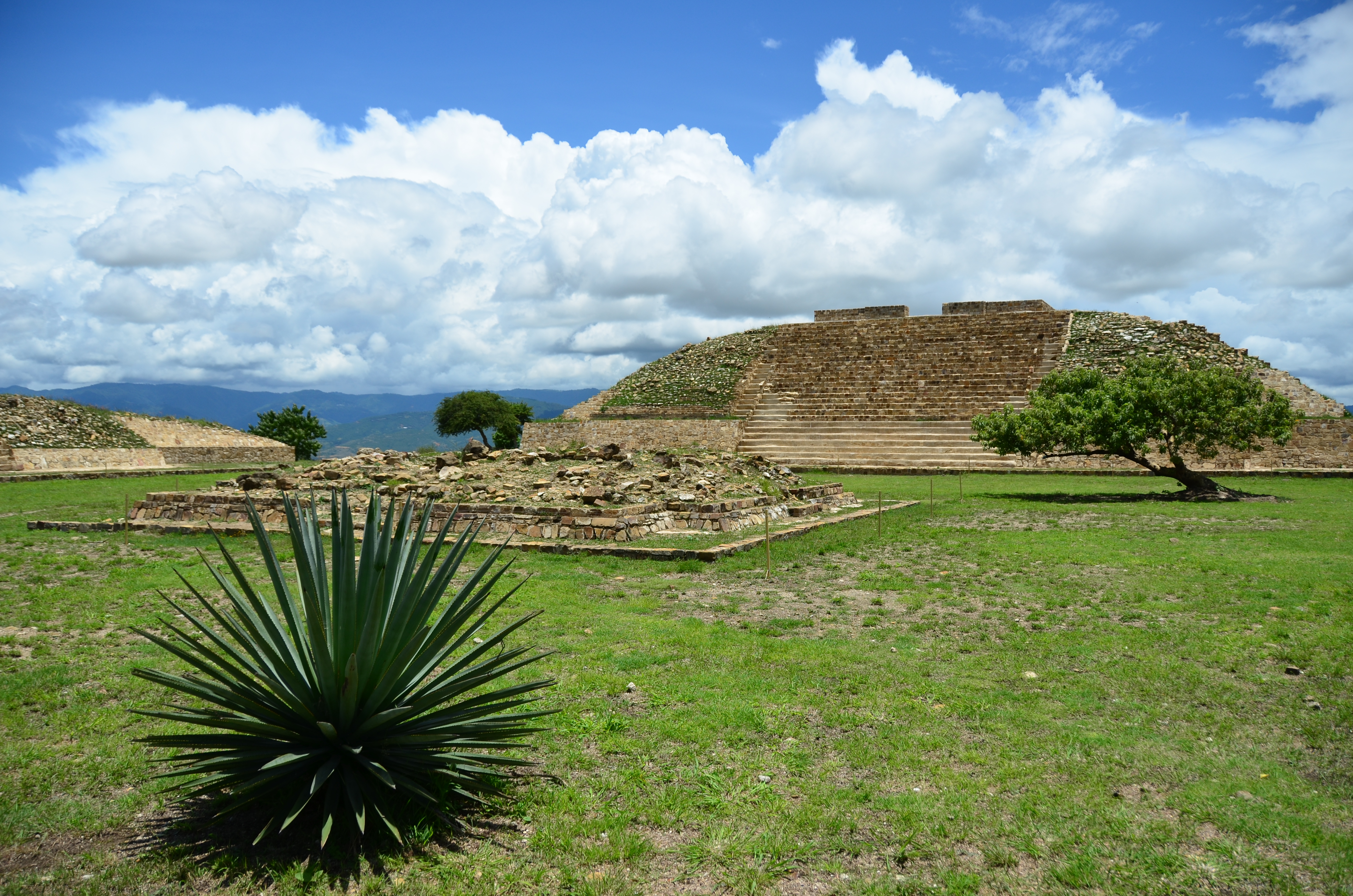
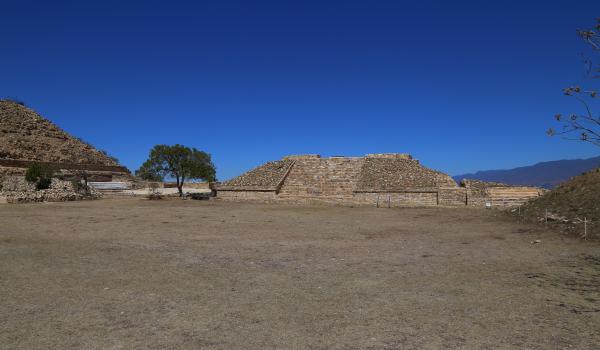
It is located in the highest part of Atzompa. Its central patio has a square floor plan (it measures more than 50 m per side) and is artificially leveled. The buildings that delimit it (1, 2, 3 and 4) are oriented towards the four cardinal points. In the central part is the shrine, a ritual-ceremonial construction similar to those discovered in the main plaza and the sunken courtyard of Monte Albán. This shrine, also of square plan, has 13 m per side and 1 m high, in the middle it is possible to observe a substructure in the form of a cross, probably an unfinished tomb.
Building 1: It is located to the north of Plaza A and consists of a great platform with an east-west length of 90 m and south-north of 60 m approximately; its height is 11 m with respect to the level of the plaza. On this base an L-shaped structure is deployed, at the top of which a temple in the center and different elevations of other architectural structures are identified.
Building 2: Platform of rectangular plan located to the east, 30 m long and 6 m wide approximately, which may have been the direct access to the Plaza. It has stairways on the east and west facades, and at the top there is a large platform on which no architectural element was found, only the remains of caisson walls.
Building 3: Located to the south of the plaza, the ground plan of this building has an inverted T-shape and measures 30 m long by 10 m wide. The stairways, about 3 m high, are located on the north side. In the elevated part there are remains of a possible temple.
Building 4: It closes the west end of the square, it has a quadrangular plan and is 6 m high. The stairways are located on the east side and two construction stages can be observed.
Plaza B
Building 6 or Funerary Building stands out, since here a tomb with three funerary chambers was found, one of them with mural painting. This space is closed to the public for conservation reasons.Building 6 (Funerary Building): it has a quadrangular shape, it measures more than 20 m per side and its…
Plaza B
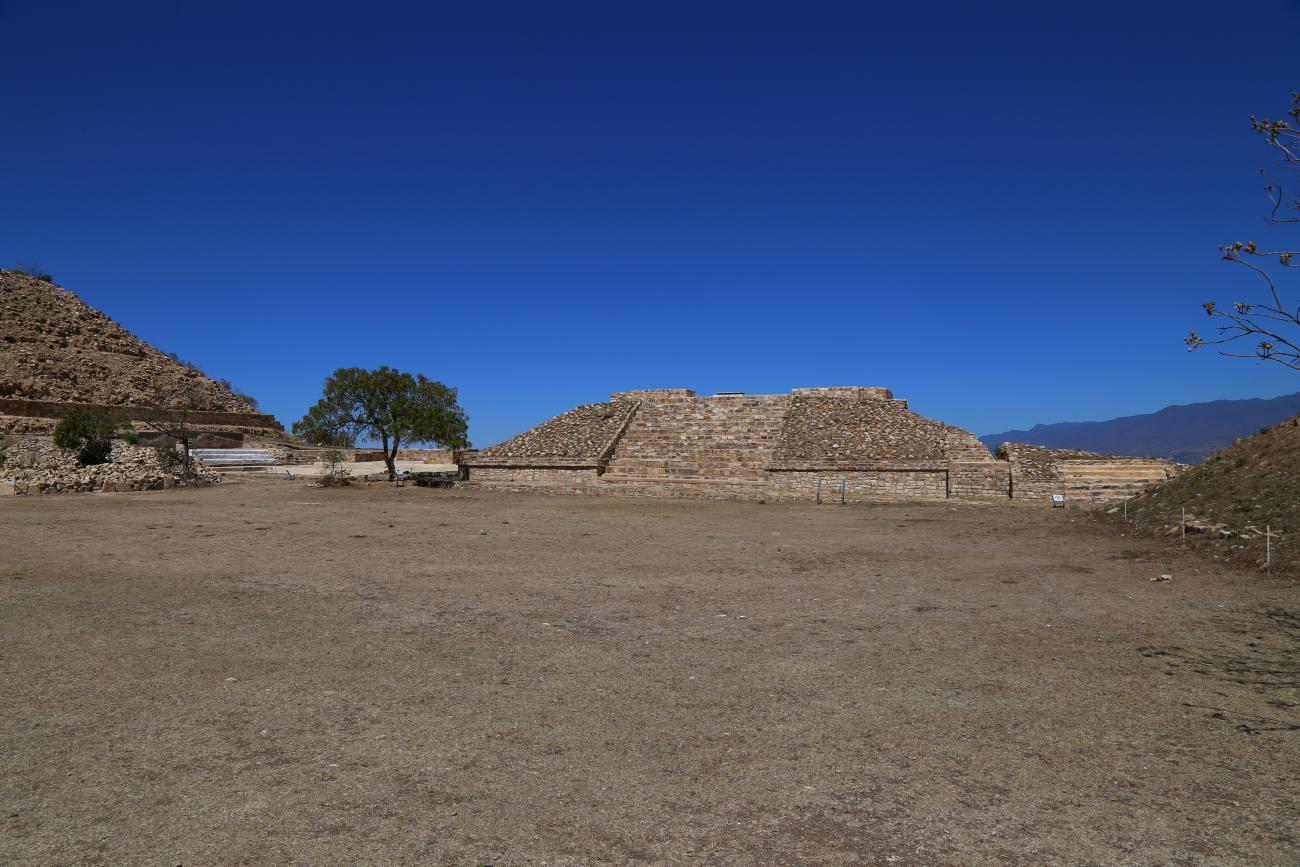
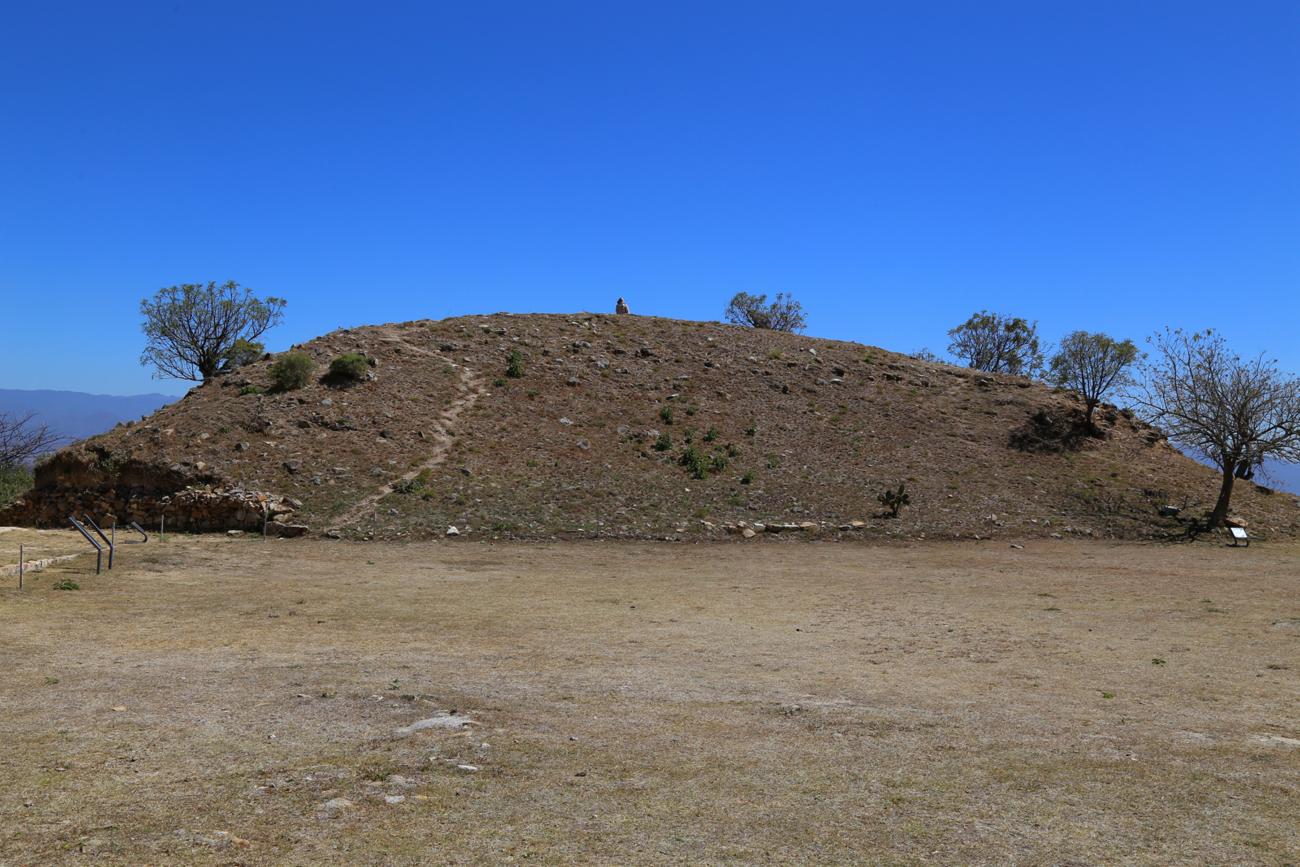

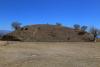
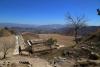
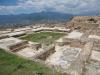

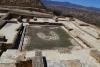
Building 6 or Funerary Building stands out, since here a tomb with three funerary chambers was found, one of them with mural painting. This space is closed to the public for conservation reasons.
Building 6 (Funerary Building): it has a quadrangular shape, it measures more than 20 m per side and its average height is 6 m. A small temple with a stucco floor was erected on the top, of which only the stone walls, a sidewalk and traces of columns remain. Inside is a set of three funerary chambers developed vertically and communicated by a huge staircase of nine steps. Its architecture is rich and varied because it presents systems of vaulted and flat roofs, jambs and lintels; in one of the chambers there is an exquisite mural painting, where the geometric forms stand out -probably allegories of the ball game- and the red color, related to the underworld.
Building 7: It is located to the east of the plaza, although for the moment it has not been excavated, so it can only be seen as a mound.
Building 8: It is a rectangular platform with a double façade that delimits Plazas B and C, so it is thought that it had the function of restricting access from one place to another. On each side it has long stairways with wide alfardas. In the upper part of the ends there are foundations of walls and stuccoed floors, which perhaps belonged to small temples facing each other.
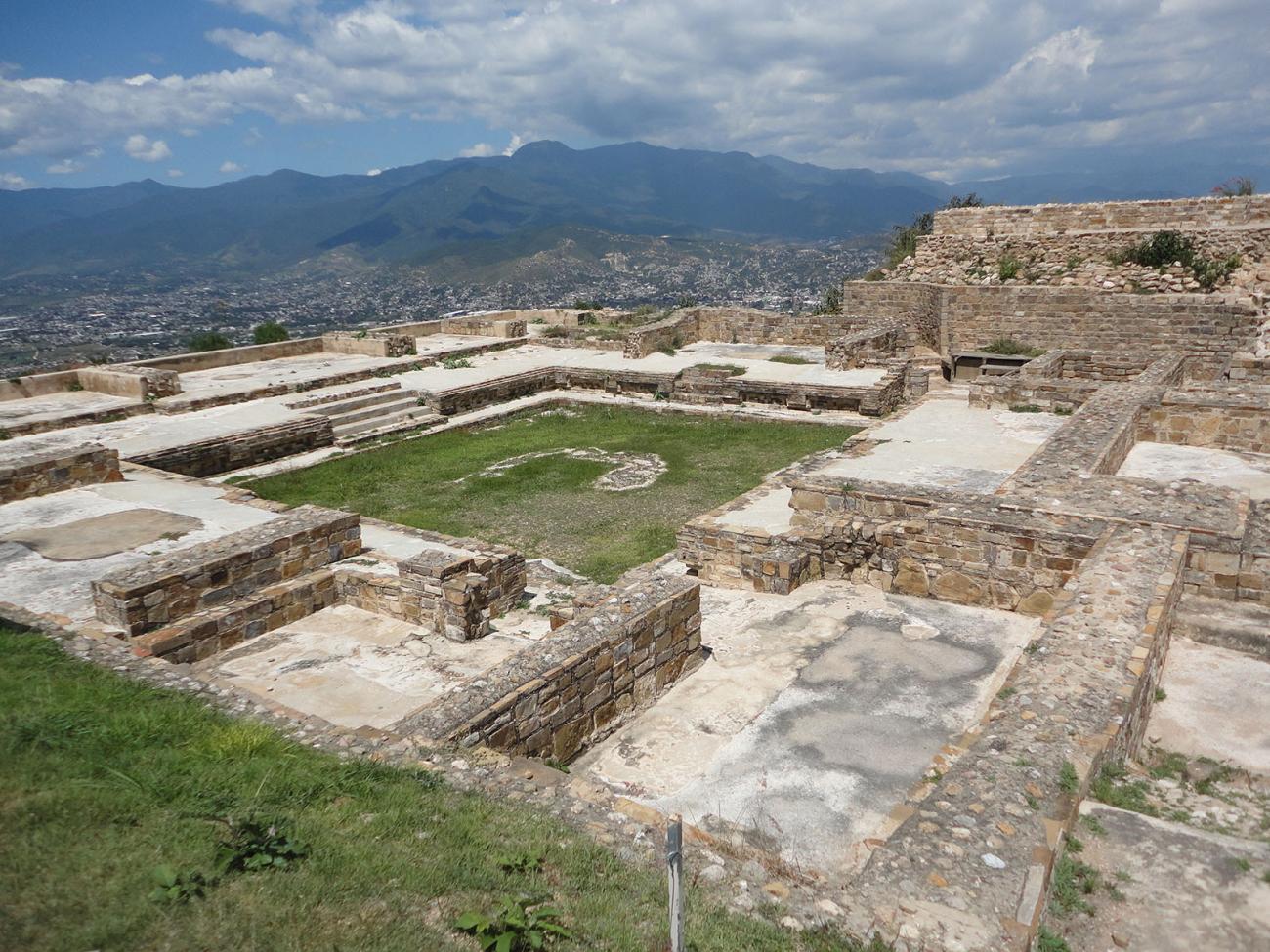
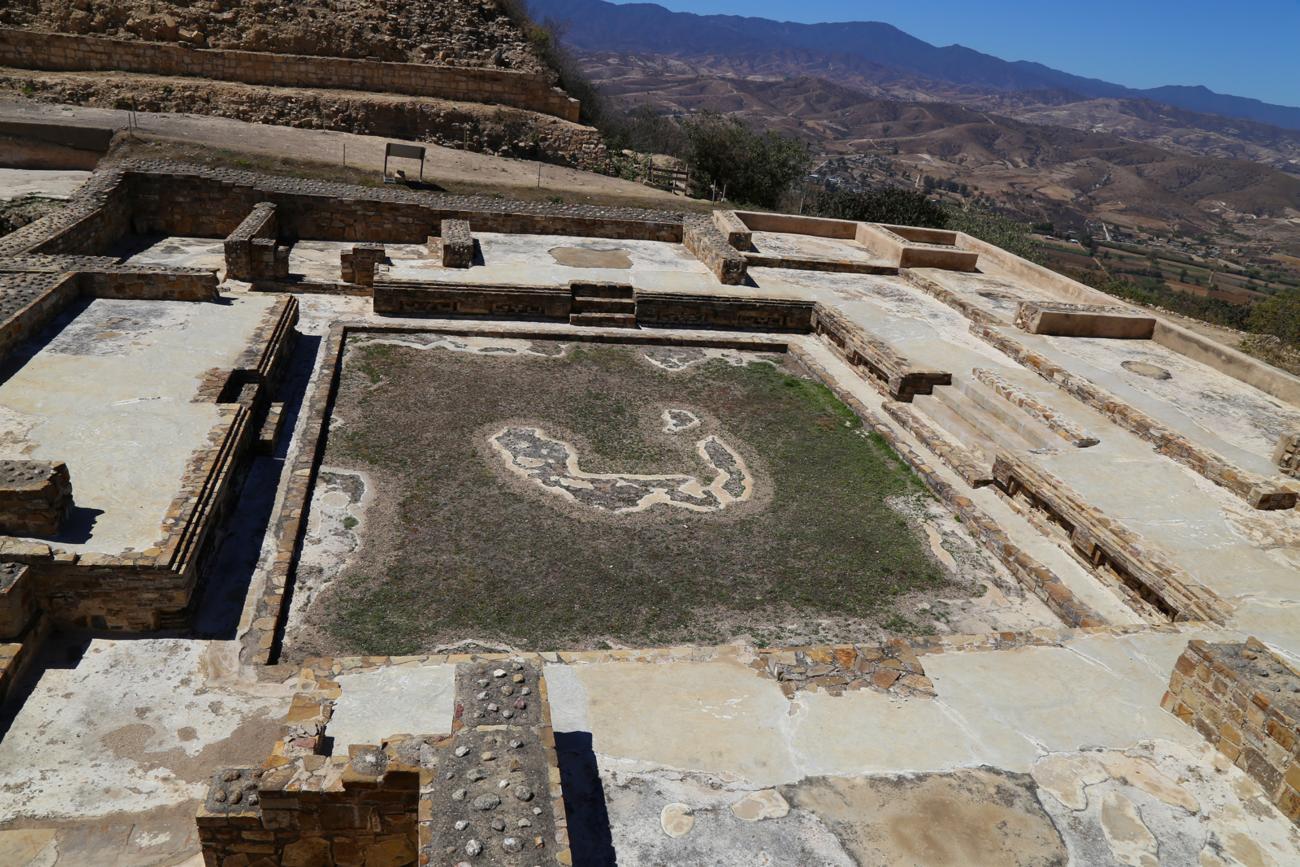
House of the Altars: It is a residence of high status, like the House of the East. It probably housed high-ranking families. The House of the Altars consists of a sunken courtyard with a square floor plan, surrounded by a sidewalk, 18 rooms and three corridors accessed by four stairways located on each side; the main access is lateral. The construction was made with cut stone and adobe, a mixture of lime and sand, stucco and applications of red color of mineral origin.
Plaza C
It is an open plaza that adjoins Plaza B and faces the southern part of the great capital, Monte Albán.Kiln area: The discovery of a kiln made of adobe and stone for firing pottery, and next to it a variety of large pots, shows one of the exclusive activities of the inhabitants of this residence.…
Plaza C
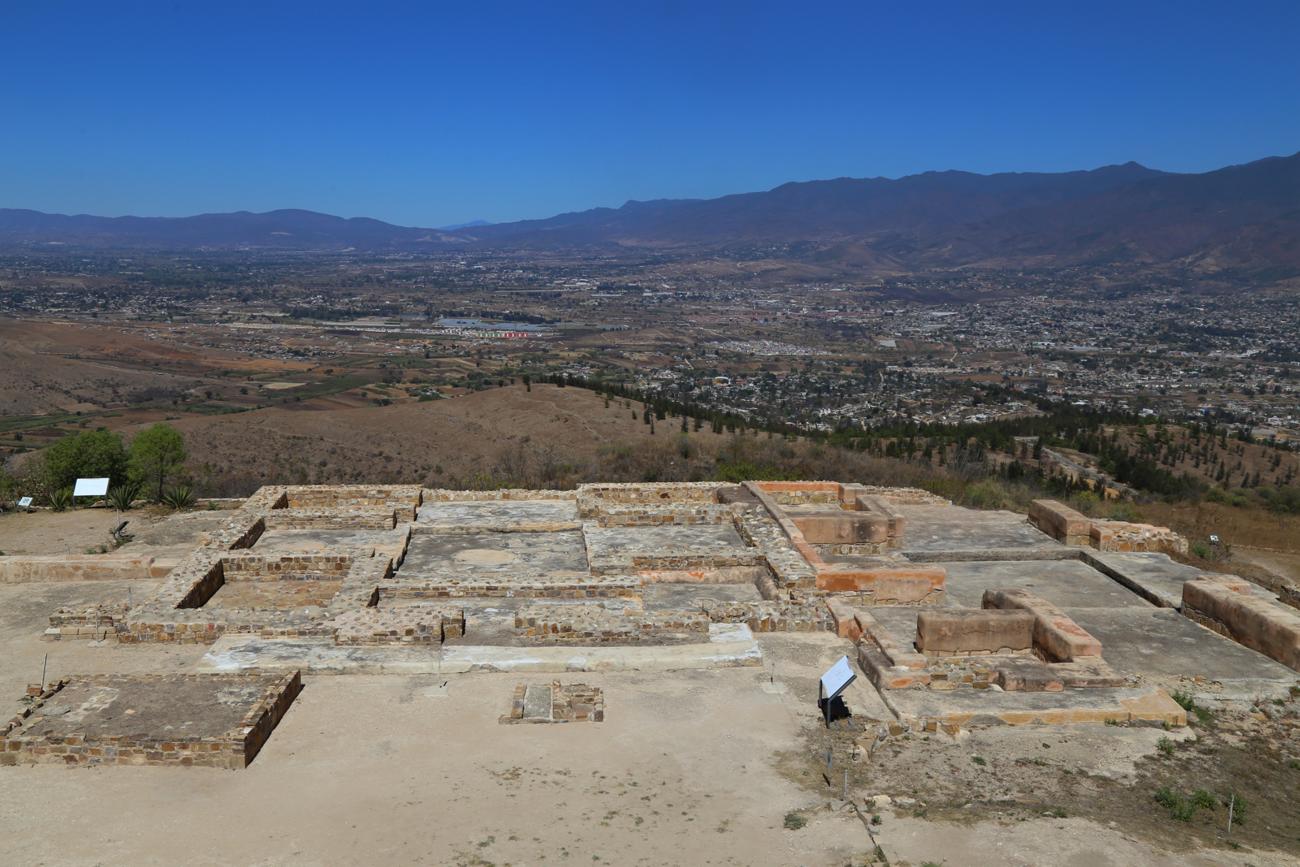
It is an open plaza that adjoins Plaza B and faces the southern part of the great capital, Monte Albán.
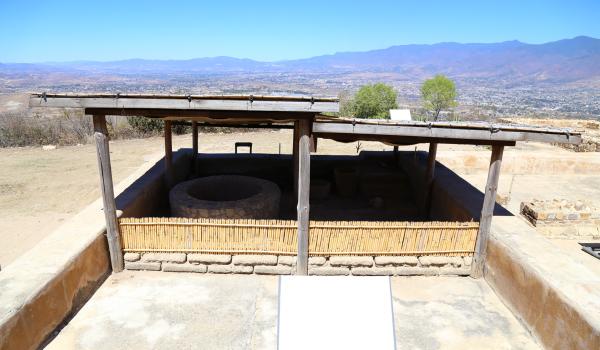
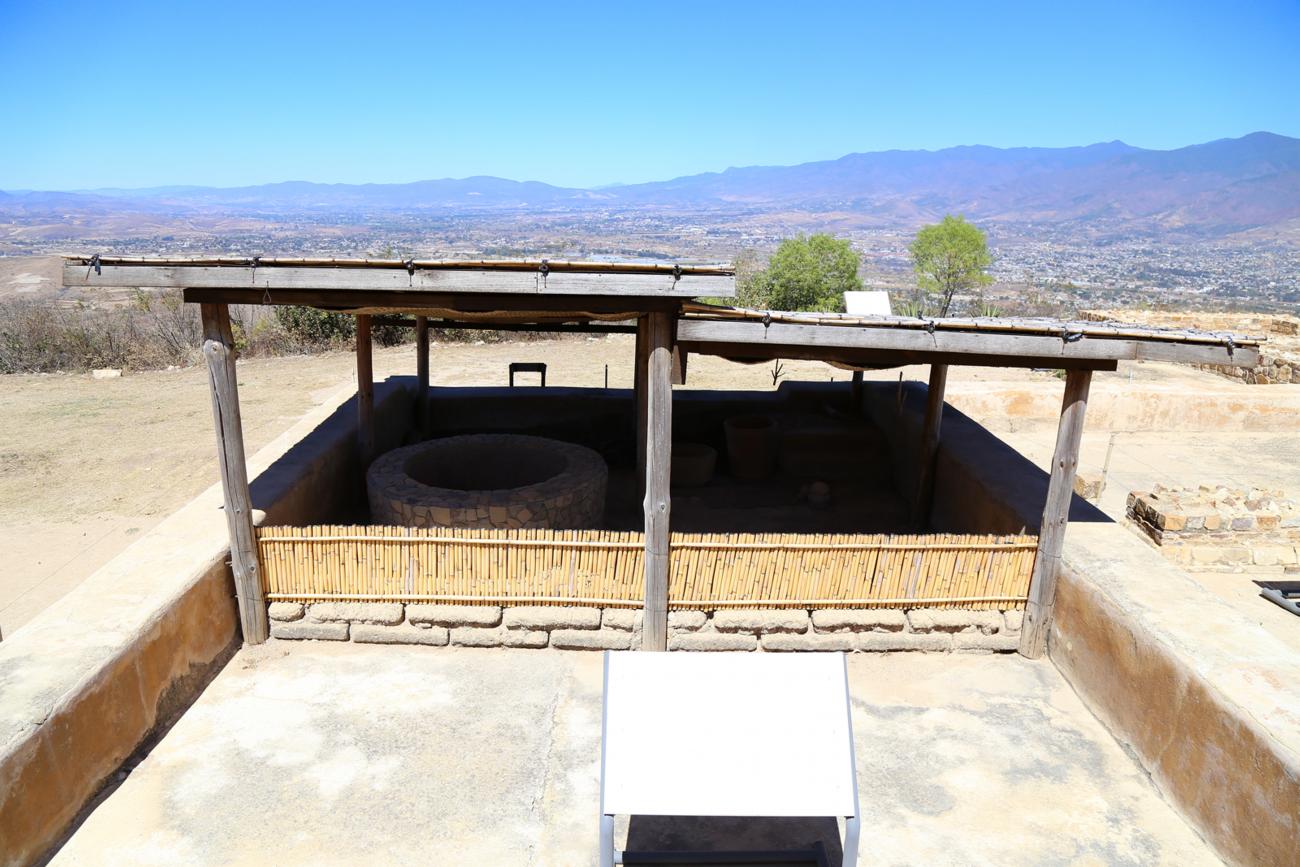
Kiln area: The discovery of a kiln made of adobe and stone for firing pottery, and next to it a variety of large pots, shows one of the exclusive activities of the inhabitants of this residence. The kiln, whose firing grates are intact, is identical in shape and size to those used to this day in Atzompa, which allows us to document the historical continuity of ceramic production, as it seems to have been a long family tradition that began in pre-Hispanic times. A recreation is presented, since the original finding is 2.5 m deep.
East and West Residences: They are considered the service area of the House of Altars, since in addition to being located next to it, evidence of intense domestic activity was found; the architecture and finishes are of lower quality than those of the Great Residence. These are square spaces around a small central courtyard. The amount of ash and charcoal found indicates that these places were used for food preparation, probably for the main house.
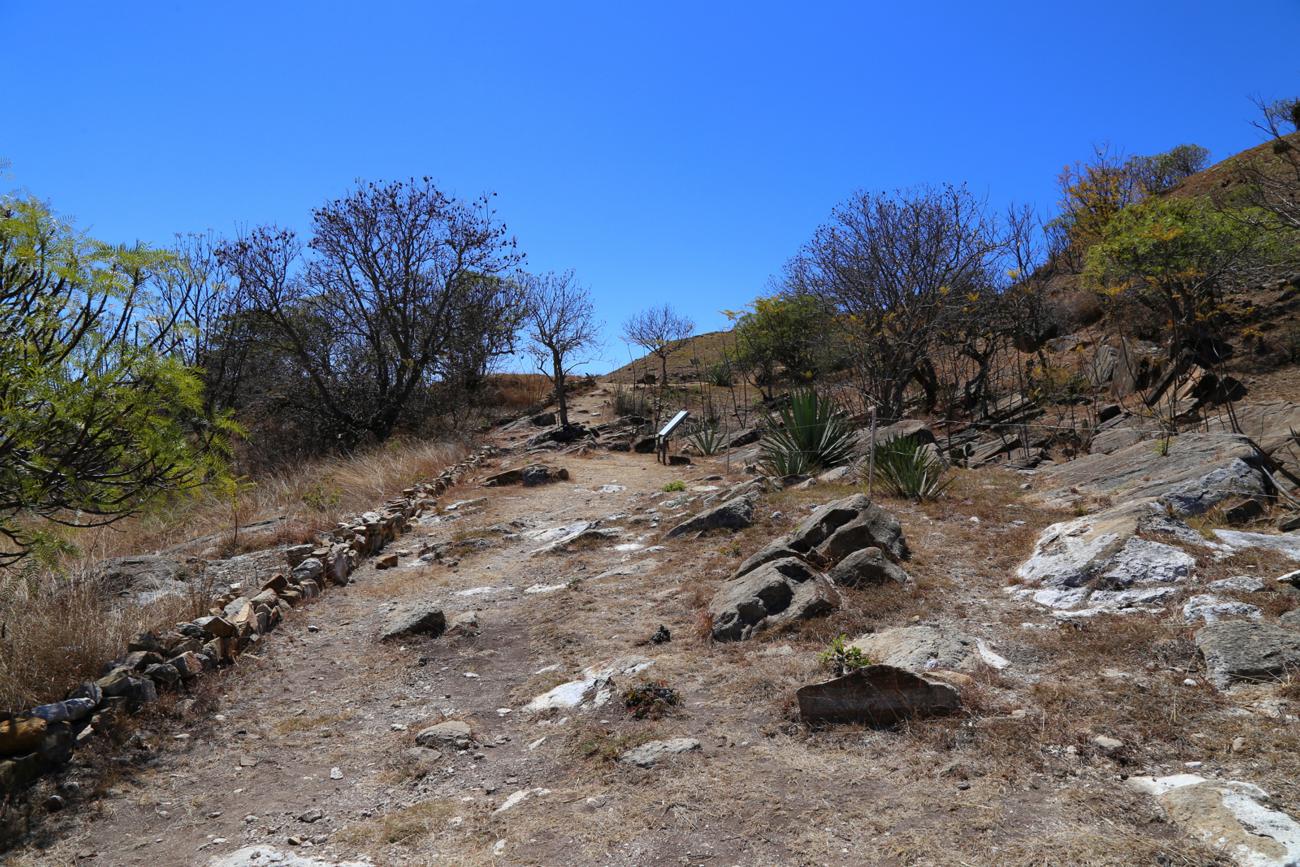
Las Canteras: The Oaxaca Valley region has large concentrations of sedimentary deposits beneath the surface. This situation was taken advantage of by the builders to exploit the outcrops of bedrock, that is, from the hill itself. The rock that was extracted was used as raw material to build the cores or internal parts of the buildings, thus giving them greater support.
Unlike other ancient cities, Monte Albán and Atzompa had rocky outcrops nearby, so they were able to expedite the extraction and transfer of the stone to the place where it would be used, thus reducing construction time and human effort invested. All the work involved in the extraction, carving and transfer of the stone was the reason for a special organization in guilds controlled by the Zapotec state.
Casa de Oriente
It has a sunken quadrangular patio, surrounded by four platforms with slopes (inclined walls) and boards (vertical walls) of great quality, on which the rooms were placed. The walls of these were made of adobe and cut stone blocks, covered with a layer of thick stucco. Each of the sides of this…
Casa de Oriente
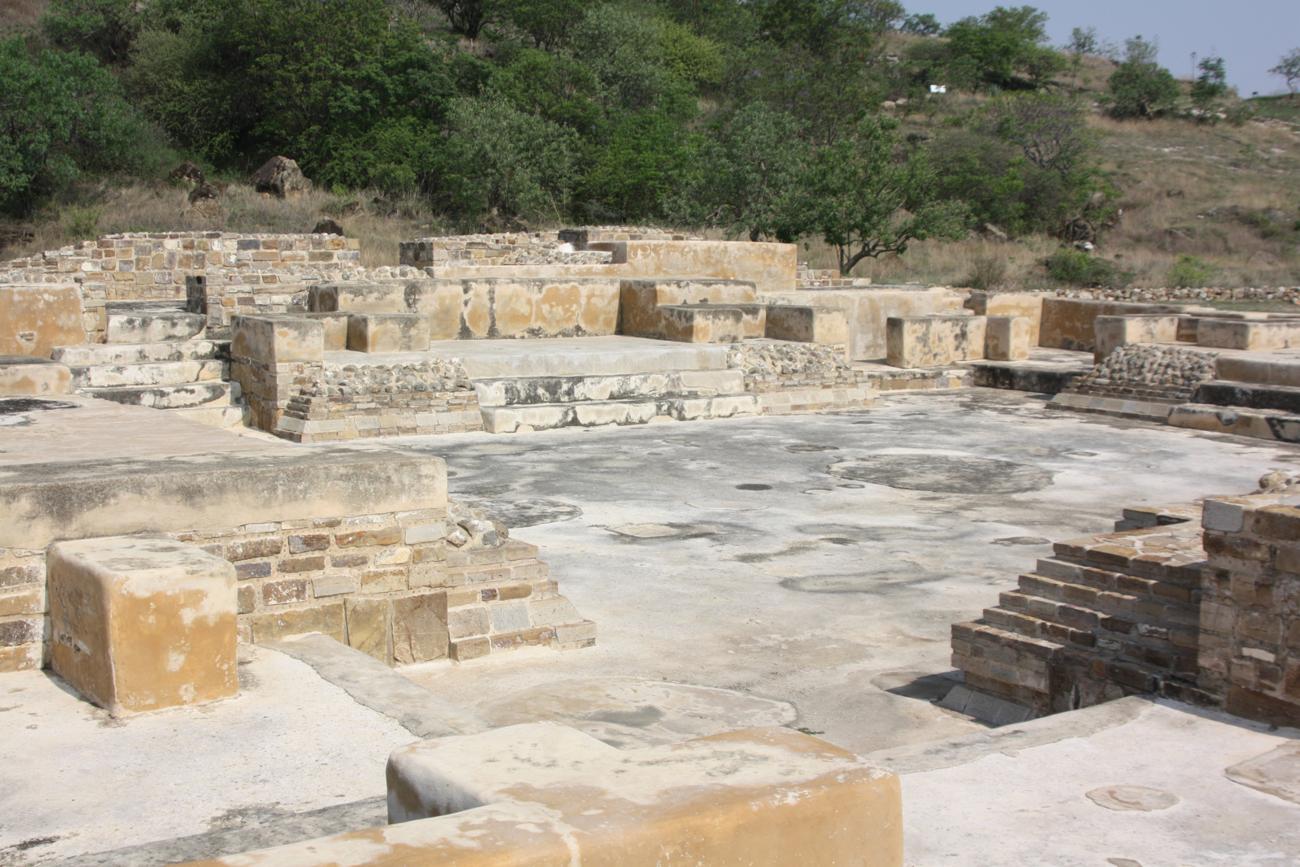
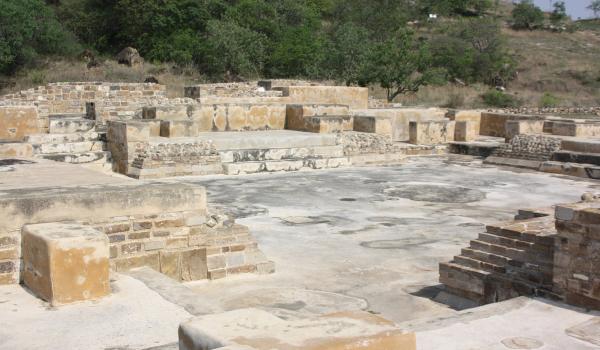
It has a sunken quadrangular patio, surrounded by four platforms with slopes (inclined walls) and boards (vertical walls) of great quality, on which the rooms were placed. The walls of these were made of adobe and cut stone blocks, covered with a layer of thick stucco. Each of the sides of this platform presents a delicate and masterful cornice (part that protrudes from the building at the upper point) of stone. In this residence was found what seems to be a temazcal, that is, a small construction that served as a steam bath.
Edificio 16
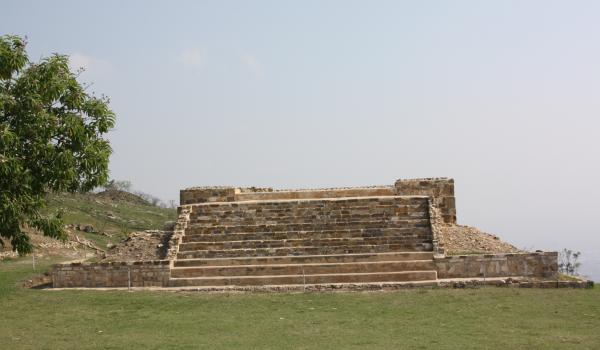
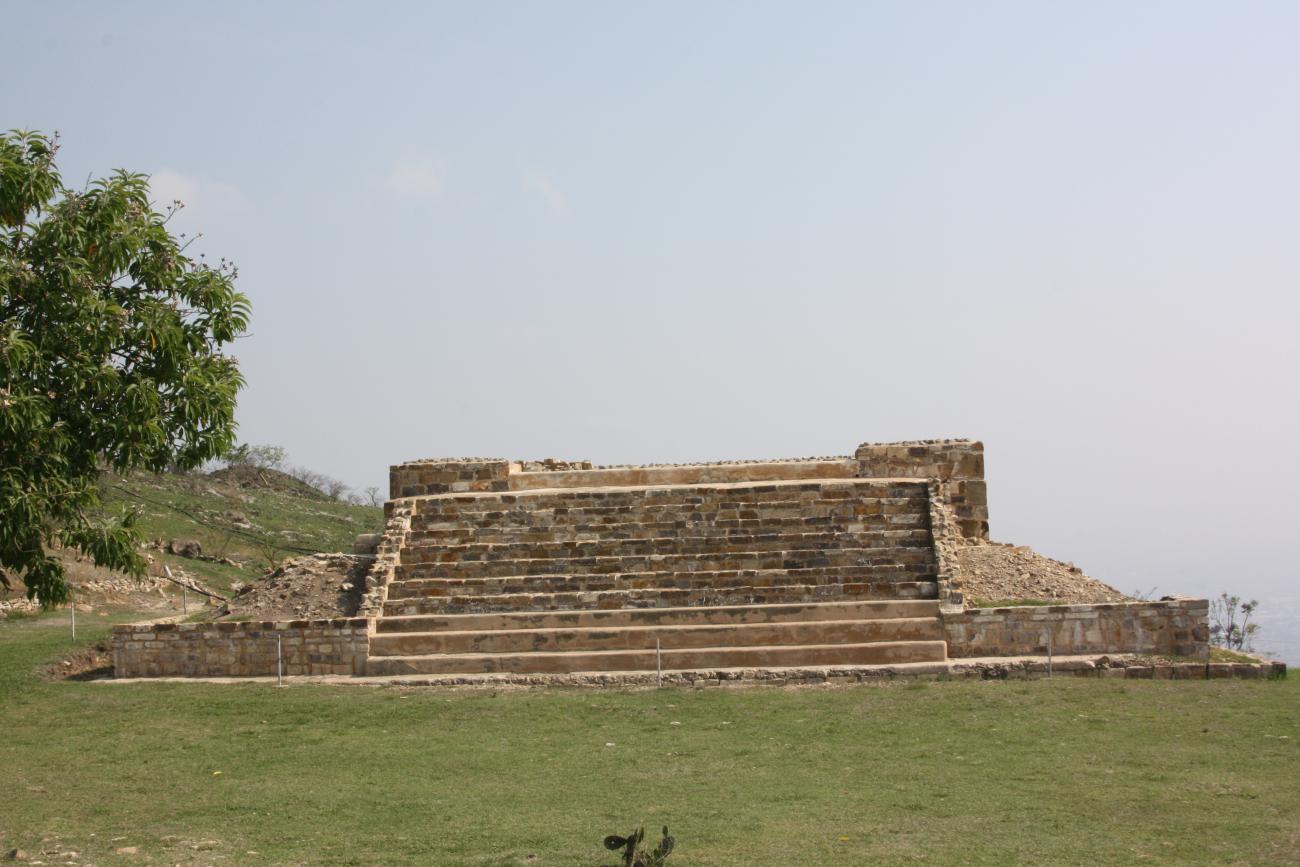
It is located to the north of the Casa de Oriente. It has an inverted T-shaped floor plan with stairways on the south side limited by alfardas. In the upper part there are remains of a possible temple.
Juego de Pelota
The pre-Hispanic ball game was one of the most significant elements in the urban structure of Mesoamerican peoples. Directly related to political and religious power, it was played with a rubber ball that was hit with different parts of the body, except the hands.Of the six courts documented in the…
Juego de Pelota
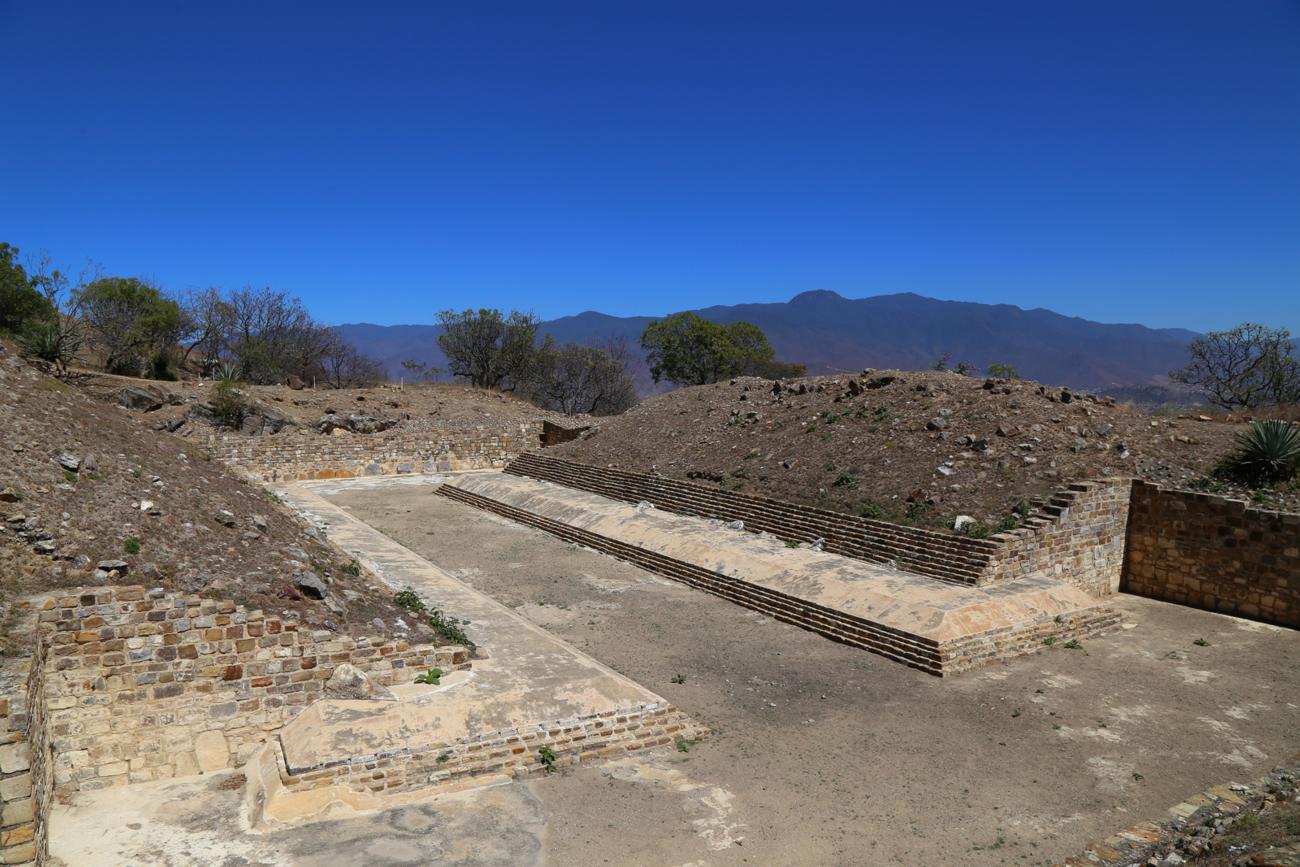

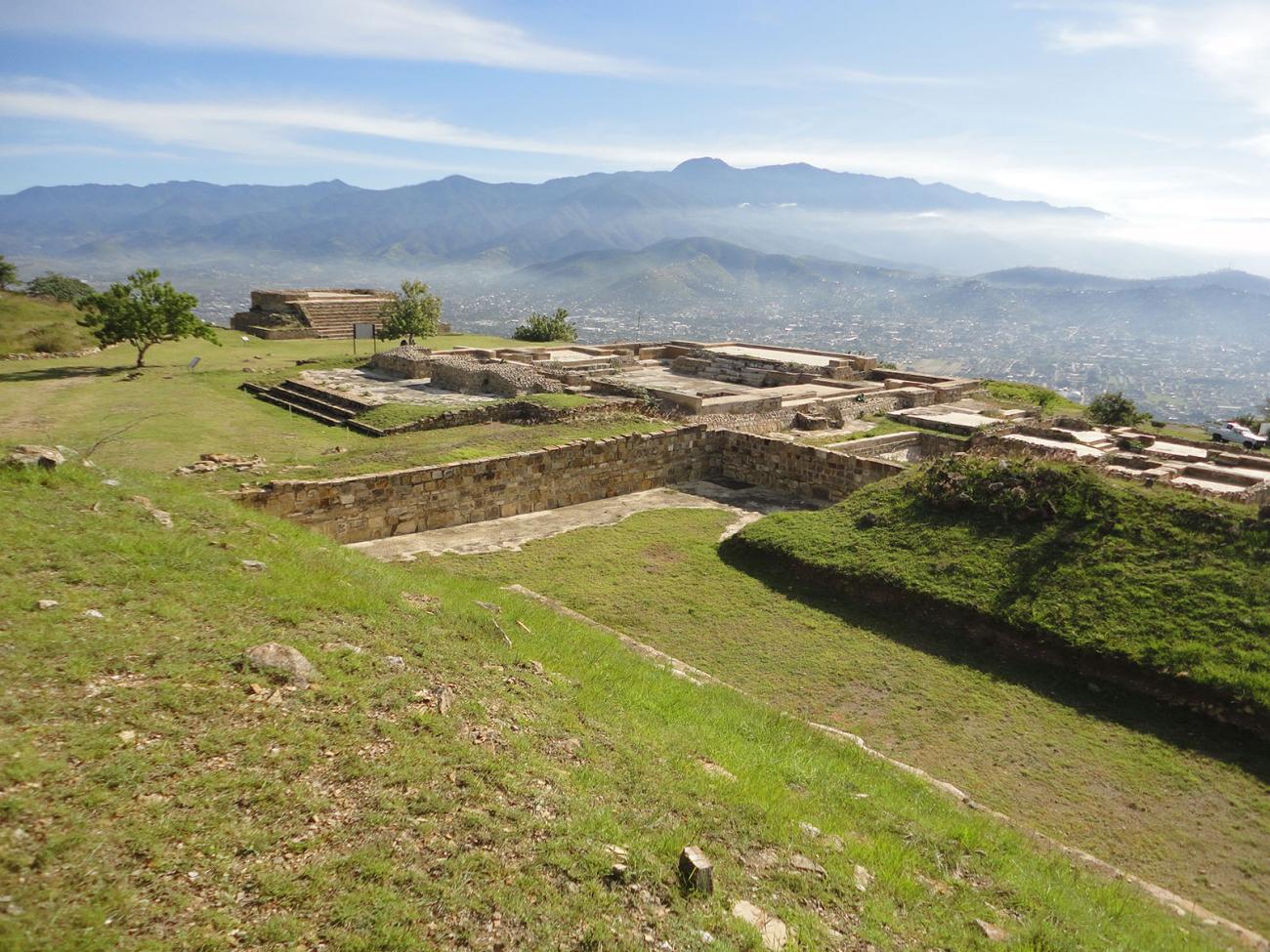
The pre-Hispanic ball game was one of the most significant elements in the urban structure of Mesoamerican peoples. Directly related to political and religious power, it was played with a rubber ball that was hit with different parts of the body, except the hands.
Of the six courts documented in the Monte Albán polygon -which includes the three hills of Atzompa, Monte Albán and El Gallo-, the Atzompa court is the largest; it is almost 45 m long by 22 m wide, its orientation is north-south and from an aerial perspective it has the characteristic shape of a Latin I. It is located in the northeast and southeast corners of the site. In the northeast and southwest corners there are niches in which they possibly placed sculptures of the gods to whom they dedicated the contests. This ball game is an apparently public ritual space, given that the smaller courts of this site suggest a private use.



Contact
- ResponsableErnesto González Licónernesto_gonzalezl@inah.gob.mx+52 (951) 516 7077Difusión CulturalYuridia Inelva Ríos Gómezyuridia_rios@inah.gob.mx+52 (951) 516 7077